Skip to content

Reduce Energy Risk. Decarbonize Heat.

Rising energy costs and growing customer pressure are making industrial heat a business priority. The Clean Heat Program helps suppliers identify practical ways to reduce heat emissions and move toward implementation.
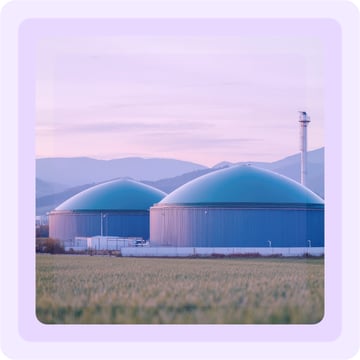
secaro-image-biogas-plant

Why decarbonize heat?

Industrial heat is often one of the largest sources of operational emissions in manufacturing. Reducing heat emissions can help lower energy risk, improve resilience, and support customer expectations.

bolt

Reduce energy risk

Improve resilience against rising and unpredictable energy costs.

groups

Meet customer expectations

Build credible decarbonization plans customers increasingly expect.

factory

Identify practical opportunities

Find realistic actions to improve efficiency and reduce heat emissions.

Designed by suppliers for suppliers

The Clean Heat Program was built in response to supplier barriers to decarbonize: technical expertise, access to finance, connection to solutions.

The goal is simple: help suppliers move from knowing the problem to acting on it.

Assess

Discover where
you are today

Uncover how you are performing against your peers.
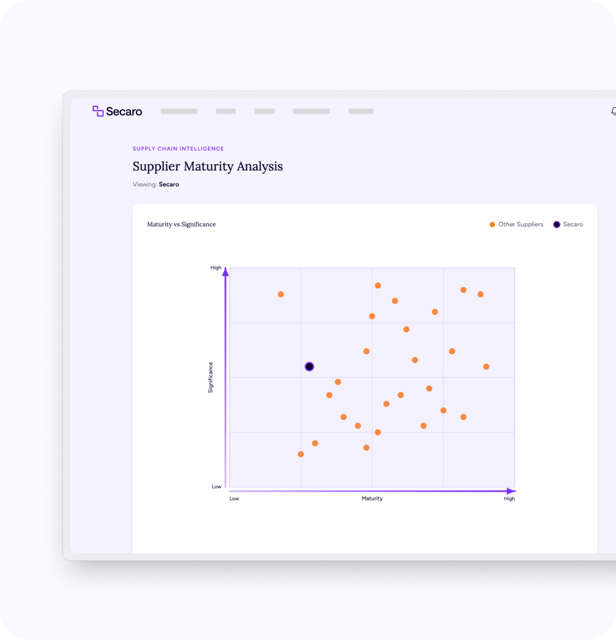
Supplier Maturity Analysis

Plan

Access a roadmap tailored to you

Receive a practical roadmap to help reduce reliance on fossil fuels across your operations.
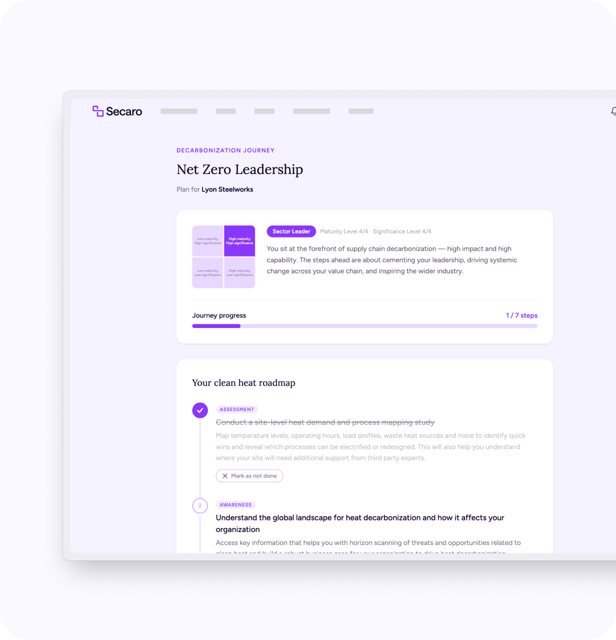
Decarbonization Plan

Learn

Upskill with
curated content

Access expert guidance, implementation insights,
and supplier learning content.
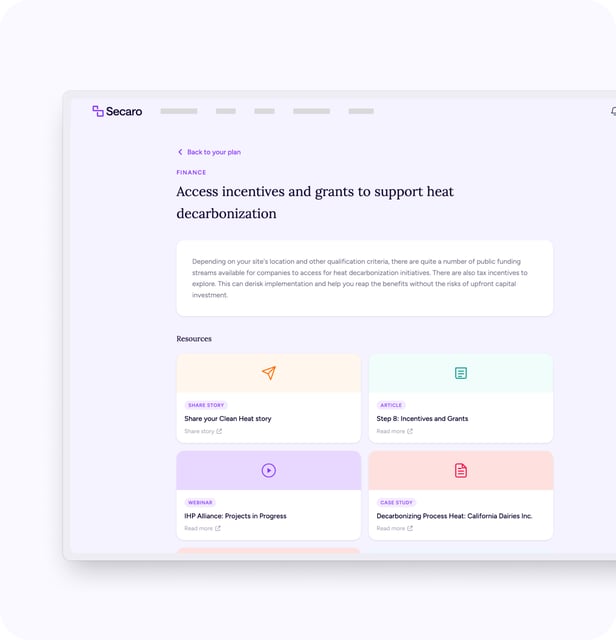
Clean heat - educate

Act

From plan
to progress

Access recommended technologies, build your action plan and connect with trusted partners to enable implementation.
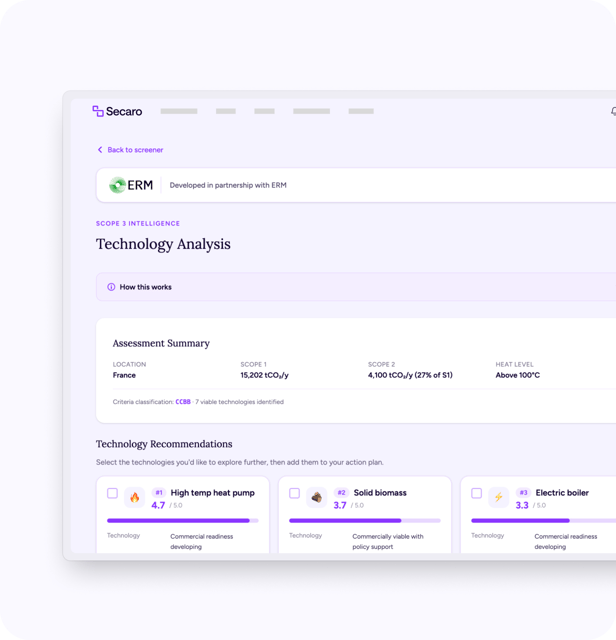
Clean Heat Technology Assessment

Access guidance, technical expertise,
and implementation support from
our partner network.

  • ERM
  • Trio
  • RTC
  • 3 Degrees
  • Future Biogas
  • Johnson Controls
  • Schneider_Electric

Why leading buyers are prioritizing heat decarbonization

Decarbonizing heat is essential for competitiveness, resilience, and cost certainty. The Clean Heat Program turns ambition into action with clear vision, process insight, rigorous scoping, and the expertise to implement impactful projects.
Rob Williams
Senior Director, Sustainable Procurement
Rob Williams -testimonial-1

Next steps

Register interest

Interested to join the program? Fill out the form to register your interest and find out more.

Frequently asked questions

What is the Clean Heat Program?

The Clean Heat Program helps manufacturing suppliers understand heat emissions, identify practical reduction opportunities, and implement action plans with support from expert partners.

Through benchmarking, tailored learning content, practical roadmaps, and access to trusted solution providers, the program helps suppliers move from recommendations to implementation.

Why is industrial heat important?

Industrial heat is one of the largest sources of operational emissions in manufacturing supply chains and is often heavily reliant on fossil fuels such as natural gas.

It is also increasingly tied to:

  • Energy price volatility
  • Customer decarbonization expectations
  • Scope 3 reduction targets
  • Future reporting and compliance requirements

Reducing heat emissions can also improve operational efficiency and energy resilience.

Who is the program designed for?

The program is designed for suppliers where industrial heat has a large contribution to their Scope 1 and 2 greenhouse gas emissions.

Do I need existing decarbonization expertise to join?

No expertise required!

The program is designed for suppliers at different stages of maturity, from organizations just starting to assess industrial heat, through to teams already evaluating specific technologies and projects.

What do suppliers receive as part of the program?

Suppliers gain access to:

  • A heat maturity assessment
  • Benchmarking insights
  • Tailored reduction roadmaps
  • Curated learning content
  • Practical implementation guidance
  • Access and referral to expert partners and solution providers

The goal is to help suppliers identify implementable next steps based on their site, processes, and operational context.

Is there a cost to participate?

The program is free for suppliers to join.

How is supplier data managed on the platform?

Secaro maintains administrative, physical, and technical safeguards to protect the security, confidentiality and integrity of customer data as required by law. These safeguards include encryption of data in transmission (using SSL or similar technologies). Secaro is ISO 27001 certified with an Information Security Management System (ISMS) aligned to ISO 27001 in place and are compliant to General Data Protection Regulation (GDPR) and California Consumer Privacy Act (CCPA). Secaro’s commitment to GDPR and CCPA principles are reflected throughout the Privacy Policy.

Commercial data is not shared with any other party, e.g., only suppliers apportioned environmental savings data is shared with its customers. Any financial savings made by implementing efficiency measures are not shared with any organization other than the supplier company itself.

For more information, please see Secaro Terms of Use and Privacy Policy.